As I read chapter 7, “Social Knowing”, I was struck by an interesting element of this new way of forming knowledge. When a platform such as Wikipedia or Reddit is used, you get more of the benefits of working with a group, and fewer of the hindrances. I was especially intrigued by ongoing negotiations of meaning on Wikipedia. How strange that I’ve spent what must amount to days and days on this site, but never clicked to see the discussion for a single page before. I don’t think my eyes ever really even registered the tab in the upper right that allows you to, in effect; flip the embroidery project over to see
this, instead of
this.
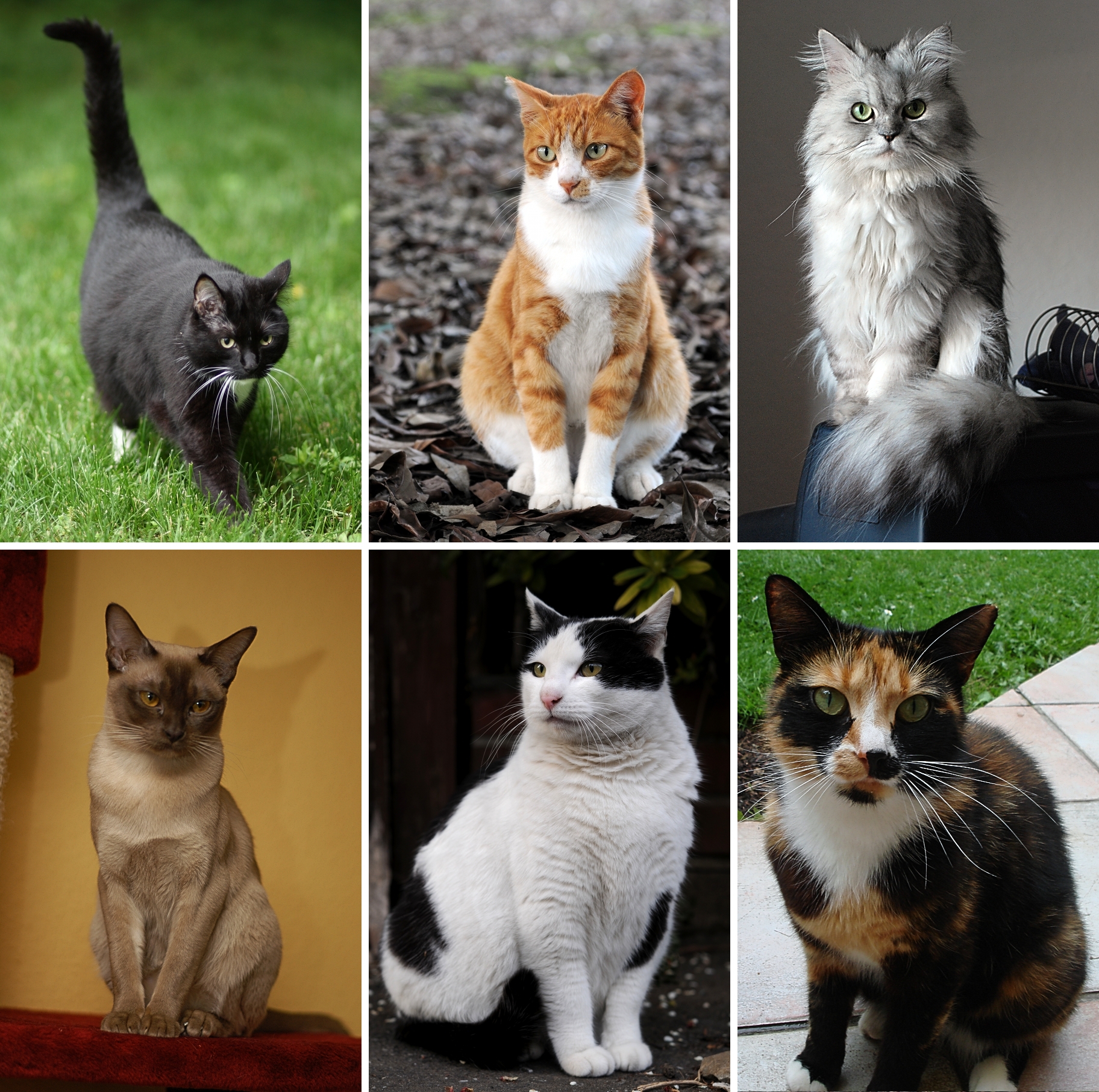
It truly is a different beast from Britannica. For example, if you go to the page on cats, you’ll see this pleasant montage of demonstration photos:

When I view the discussion, however, I get the added interesting benefit of the long discussion about what sort of photos should be included in this image: Kittens? Hairless cats, or ones with curly, wiry fur? Why six images instead of one? Apparently, this is especially contentious – the dog article only has one. I also learn that this current image replaces one in which four out of the six images was of a tabby cat, and can view other images that were up for consideration, and much, much more.
Here's the image that was present at the beginning of September 6th, 2009:

And this doesn’t even get into “View History”. Just what I need! Another time sink hole...
I wonder what patterns in negotiation appear over time, and across a wide range of pages? It would be very interesting to analyze common themes among those details that people discuss and edit the most. What types of knowledge do we have the hardest time navigating?
For now though, I’ll zoom in on one particular aspect of this process that I find especially amazing, and awesome; an aspect that the book hints at, but (I think) never expressly states. (Correct me if I’m wrong – I made the mistake of reading the rest of Weinberger around Wednesday, and waiting till now to respond...) At least on a massive scale such as Reddit or Wikipedia, constructing knowledge in this way seems to remove the risk of groupthink to a very significant degree. For example, check out these epic edit wars.
It seems that, no matter how seemingly inconsequential a detail may be, someone out there is willing to continue working for the acceptance of their own view. This makes a lot of sense, as I think about it more. I think this is true for many reasons: people don’t have to meet at set times to discuss issues, and can pick up the same conversation at different points over the course of weeks if they desire; while there are usually administrators at sites such as these, they don’t hold the same power as in other typical hierarchies; people aren’t meeting face to face. While we often hear about the negative elements of the last reason in the media: flaming, trolling, etc. I think there’s a positive side to this as well. Just as we’ve talked about in relation to students who may be silent in class but active and compelling on discussion boards.
The question for me now is: How much does this element carry over into smaller communities? Based on the classroom example I just mentioned, I think that it definitely does carry over at least to some degree. But how does knowing that an instructor will be reading everything they write change the knowledge making process? Also, what happens in business situations? As Weinberger comments, “Businesses have long suffered from a similar disconnect. Businesses want their employees to be as smart and well informed as possible, but most are structured to reward individuals for being smarter and better informed than others” (145). (This is true in the traditional classroom to a good degree as well...) For example, Weinberger states soon after the above quote that the CIA now incorporates blogs, and a wiki with 5000 articles into the process that leads to the final reports compiled by intelligence analysts. How do you think these blogs and wiki pages differ from those created on sites like Wikipedia?